

VOICES OF THE SPIRIT VI
The Brown Foundation Performing Arts Theater at Asia Society Texas Center
January 19, 2016
January 20, 2016
Whether through the syncopated beat of the drums and chorus, devotional alabanzas for the Feast Day of the Virgin, traditional Khmer sacred ensemble music, or a cappella intonations of the Q’uran, each religious tradition featured in the 2016 Voices of the Spirit concert expressed its specific devotional perspective through a distinctive style with a long history.
Voices of the Spirit IV began with an Islamic call to prayer by Mu'ezzin Ameer Abuhalimeh from the Islamic Da’Wah Center, followed by Mariachi Estrellas de Mexico with a repertoire of alabanzas in adoration of the Virgin of Guadalupe, one of the most important holy personages in Latino Catholicism. The program continued with the Neak Porn Ensemble performing the portion of their repertoire that is traditionally only heard in Cambodian Buddhist temple settings. The Garifuna group, Walagante, who combine percussion, chorus and dance in a traditional spiritual invocation, brought the concert to a rousing and joyful end.

MU'EZZIN AMEER ABUHALIMEH
Initially attracted to the role of Mu'ezzin by the transcendent power of the voice, Mu’ezzin Ameer Abuhalimeh continues to be inspired by the role. The Mu’ezzin is the person who recites the azhan from the mosque. Mu'ezzin Ameer Abuhalimeh was born in Amman, Jordan, and grew up imitating Mu’ezzini he enjoyed. He began as a volunteer at the Da’wah Islamic Center in 2002. He continues as the center’s Mu’ezzin and also serves as its executive director, using his position to further understanding of the rich history and culture of Islam by establishing a library and a museum, the first of its kind in the United States.

MARIACHI ESTRELLAS DE MEXICO
One of the most important holidays in Mexico is El Dia de la Virgen de Guadalupe on December 12. This important religious figure is honored and celebrated every year, right before Christmas, and has become a special and joyous occasion in Mexican and Mexican-American communities throughout Houston. Many legendary artists have recorded and dedicated alabanzas (songs of praise) to the Virgen de Guadalupe. Every mariachi group worth its salt has these traditional songs in its repertoire. Mariachi Estrellas de Mexico is no exception. Led by Arturo Torres, and formed in 2000, Mariachi Estrellas de Mexico is chock full of seasoned mariachi musicians who come from a long line of mariachi professionals from their respective families. They are one of the hardest working mariachi bands in Houston and are available 24 hours a day, seven days a week. They are often called upon to play serenatas at sunrise, perform at weddings and funerals during the day, and present the Misa Pan-Americana at Sunday church services.
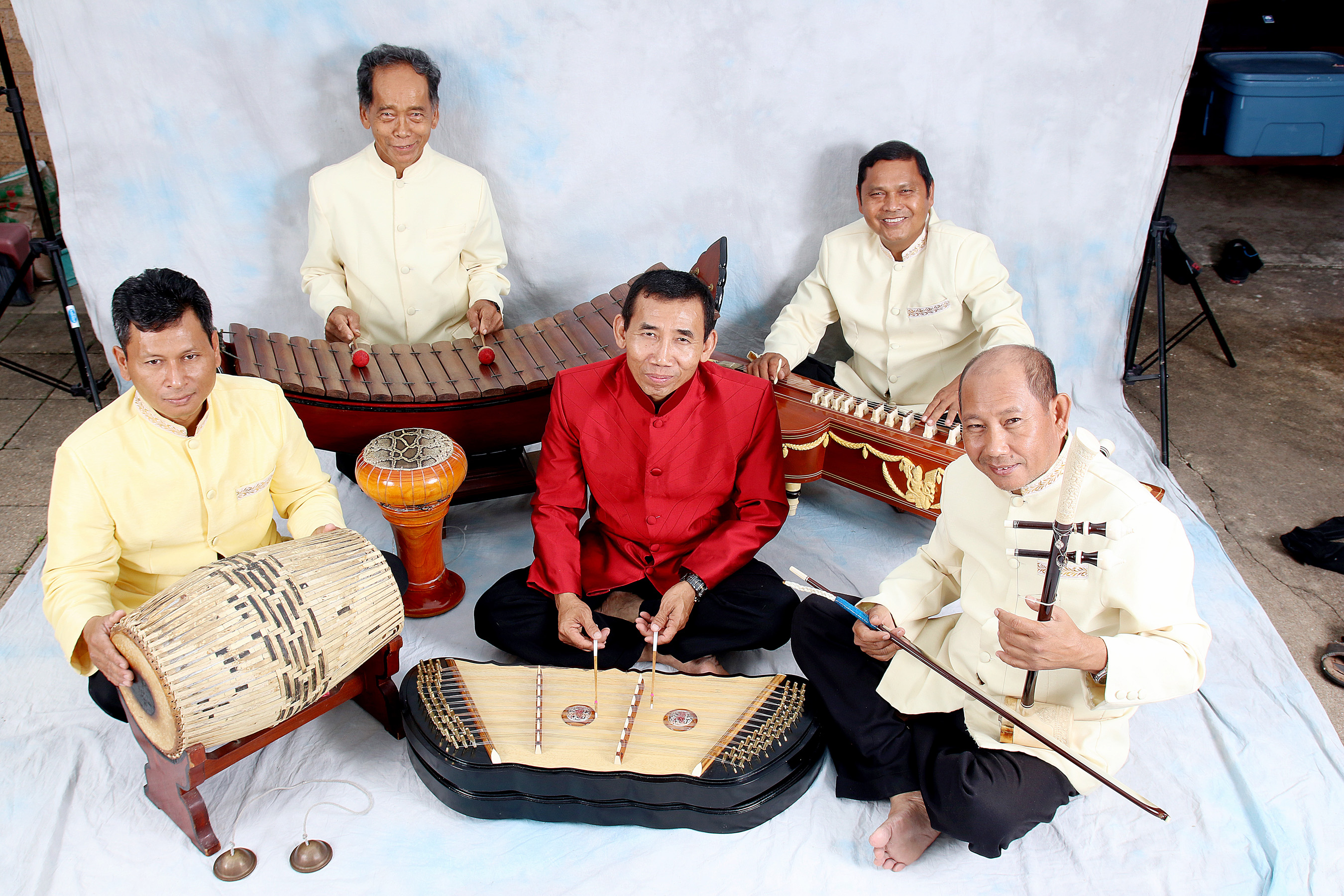
NEAK PORN ENSEMBLE
When a pair of friends of Houston’s Khmer Kandal community met in 1983, one played the khim and the other the tro. They started playing music together with other musicians in 1986. Their popularity within the Khmer Kandal community grew via their performances at the Texas Cambodian Buddhist Temple, at weddings, and other auspicious ceremonies. Eventually their repertoire grew, and the present incarnation of the group was established in 2005. The instrumentation consists of a tro (fiddle), khim (hammered dulcimer), skor (barrel drum), thon (snake-skin drum), krapeau (three-string zither), roneat (xylophone) and ching (chimes). Using these instruments, they create layered harmonies and hypnotic melodies that are central to many traditional Cambodian gatherings.
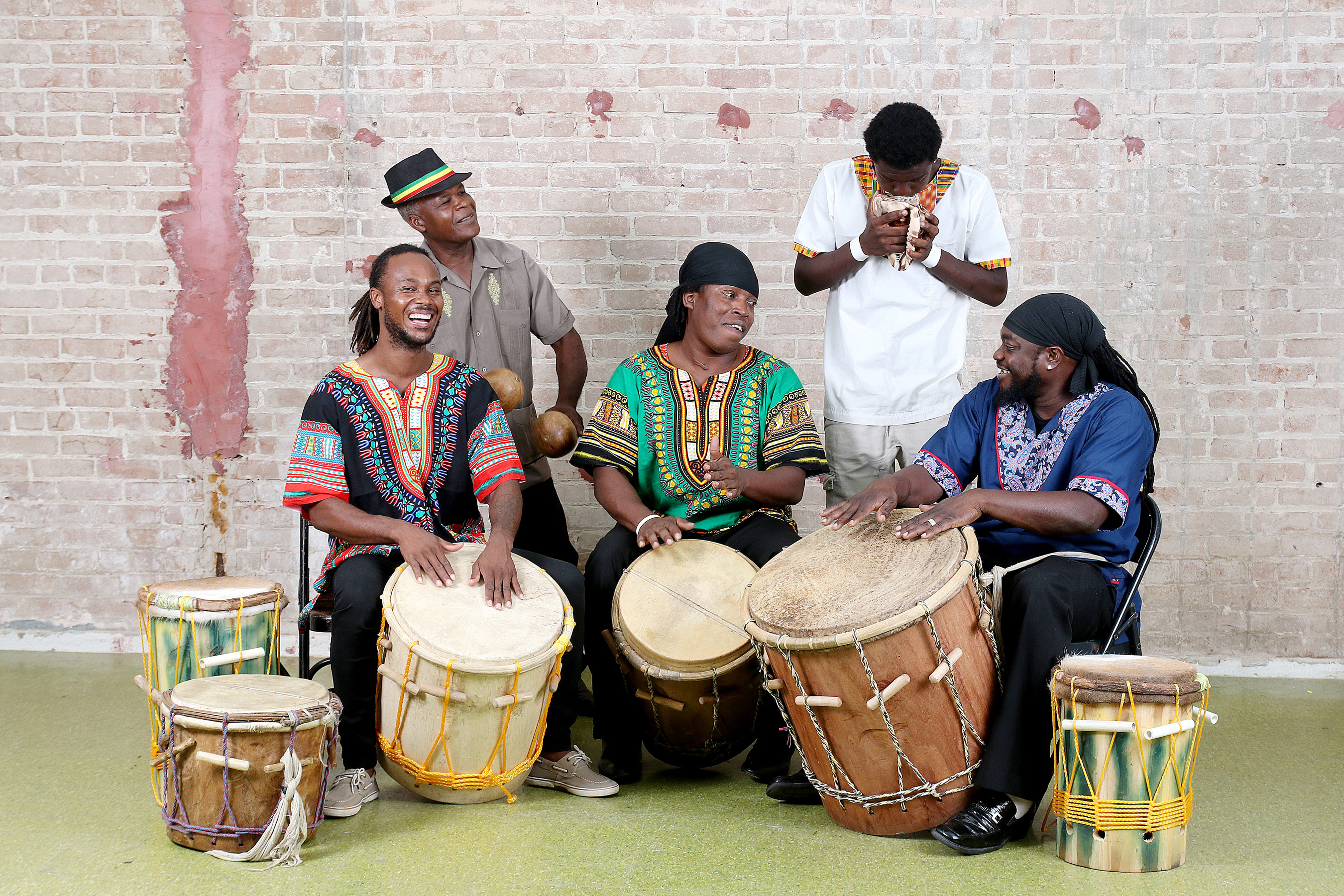
WALAGANTE
Started in 2014, Walagante evolved from a group of friends from Honduras. Many of the key members of the group either participated or had family members who were a part of the Ballet Nacional Folclorico de Honduras. Many members of the Garifuna community in Houston hail from Honduras. They are Afro-Caribeños, often tri-lingual, speaking Garifuna, Spanish and sometimes English. The music they play is mainly sung in Garifuna. For them, music is a major aspect of ancestor veneration and connects the Garifuna with their ancestral roots. The primero (tenor drum) is used to embellish and excite, while the segunda (bass drum) keeps time and drives the music. Much like blues music, Garifuna music expresses emotional content, and is widely known popularly for punta and parranda music. In the concert, performers focused on the Fedu: a traditional annual celebration that takes place towards the end of the year and invokes a blessing for the New Year. The Fedu incorporates dance, drums, chanting, food, and gifiti (herbed liquor). Displaying a clear African heritage, Fedu music for dancing is composed of rhythmic themes performed by three drummers with alternating call-and-response chanting.