


Although it is known around the world as the Port of Houston, the urban complex that lines the Ship Channel represents a constellation of communities with separate identities and histories. Running the length of 52 miles, the channel is lined by towns such as Pasadena, Deer Park, Baytown and La Porte. Even in Houston proper, there are neighborhoods such as Denver Harbor and Magnolia Park.
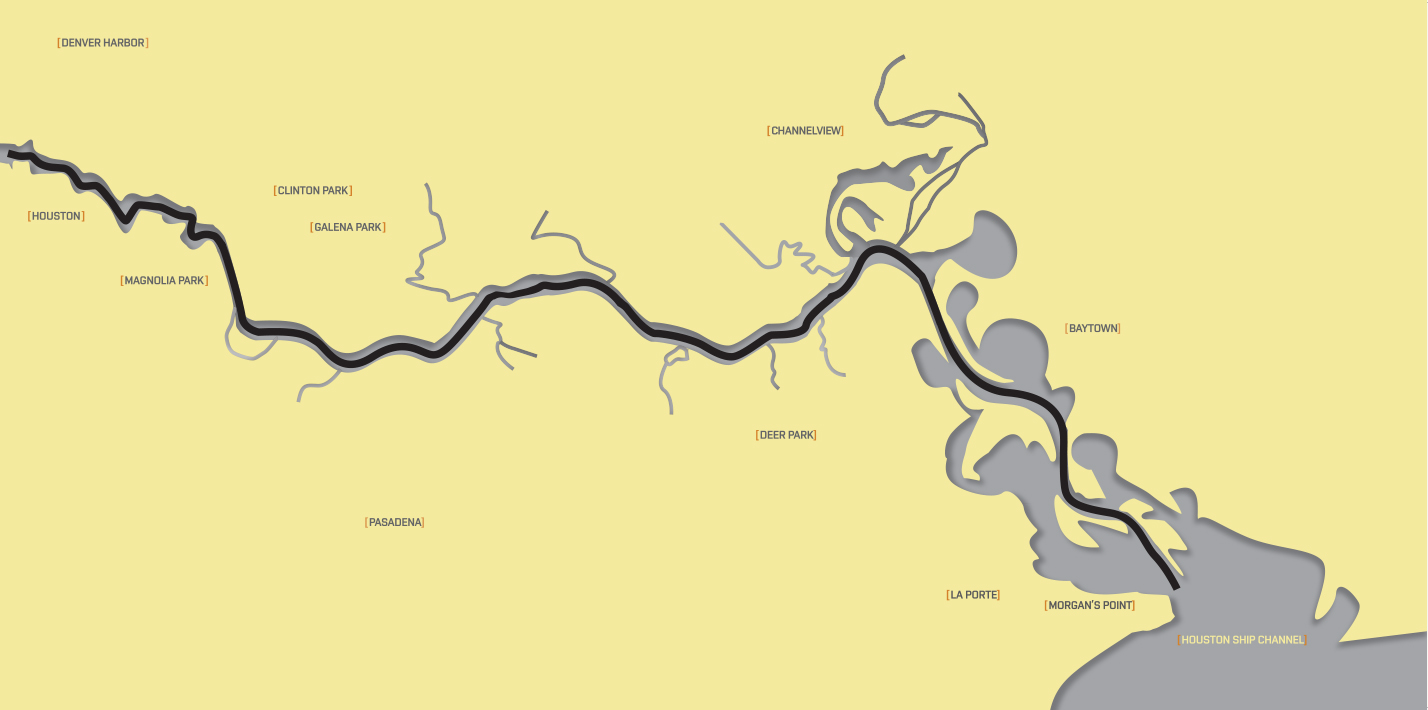
A map of the ship channel with many of the communities and neighborhoods that line it. Ellen Peeples Cregan.
These communities and neighborhoods are home to workers of all kinds who make their living in trades and industries associated with the Port. All have contributed, but not all have benefitted equally.

Gilda Ramirez, a longtime Magnolia Park resident shares about her life growing up near the port of Houston. Interviewed by Pat Jasper. Photo by Lou Vest.

Gilda Ramirez
The impact of the Ship Channel’s growth on these communities has been varied – often creating and sustaining some as thriving neighborhoods, providing new opportunities to their historically marginalized residents. Some, however, have been diminished over time due to the crush and displacement resulting from industrialization.
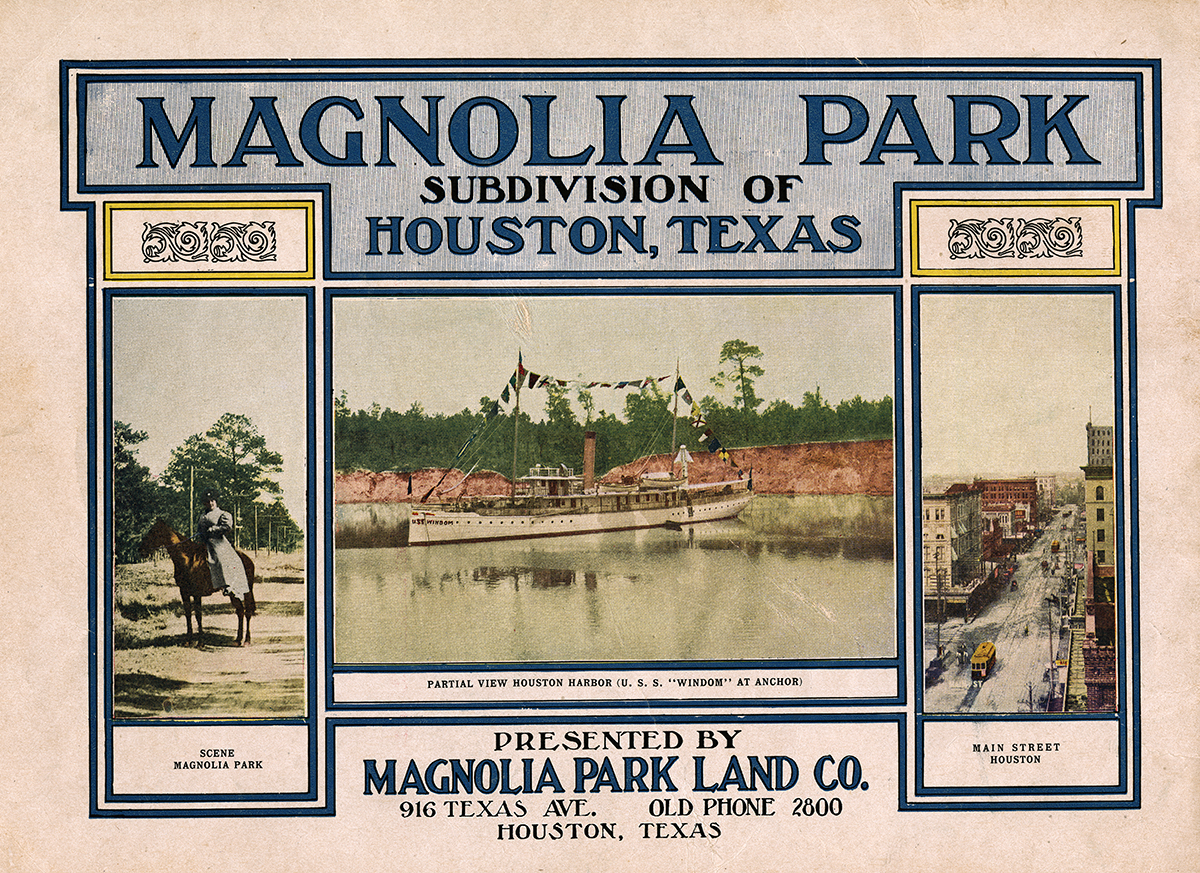
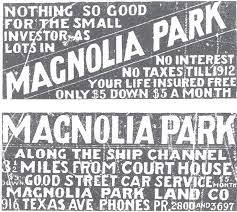
Advertisement for lots in Magnolia Park, residing along Buffalo Bayou. Photo courtesy Houston Media Resource Center.
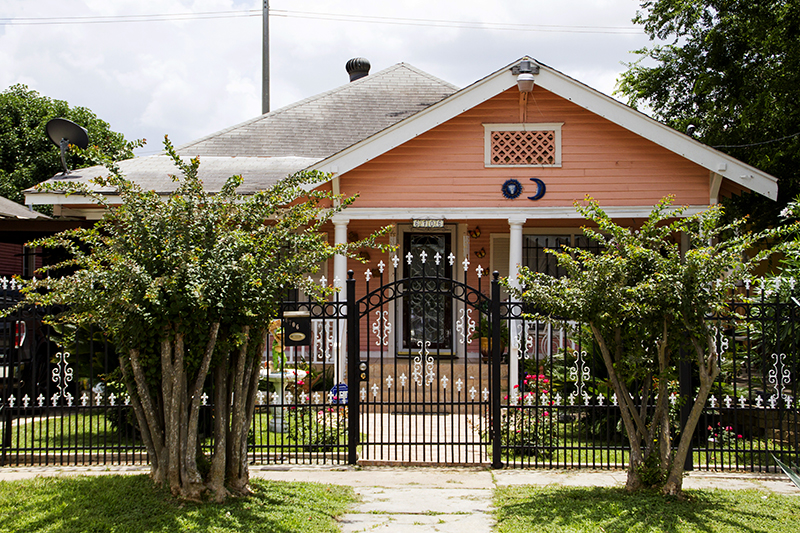
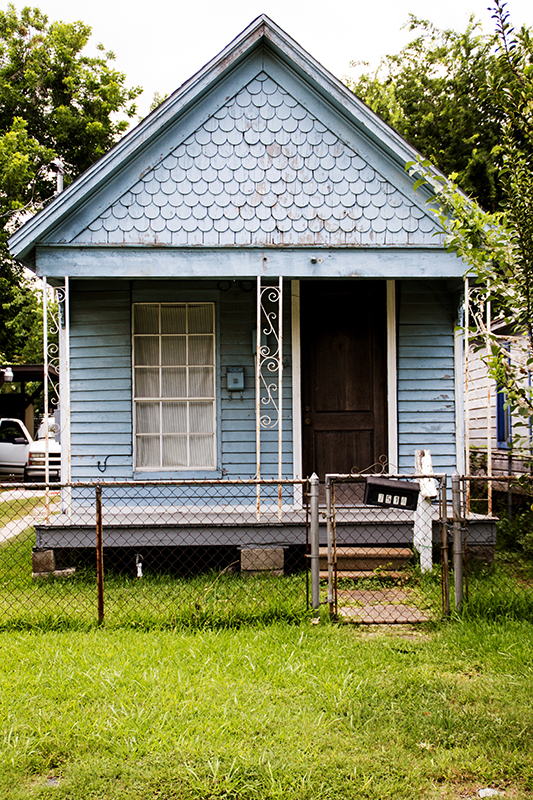
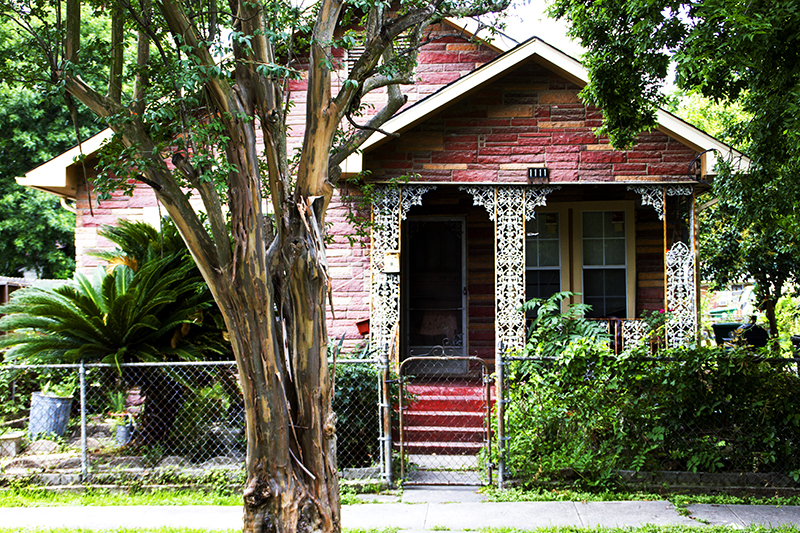

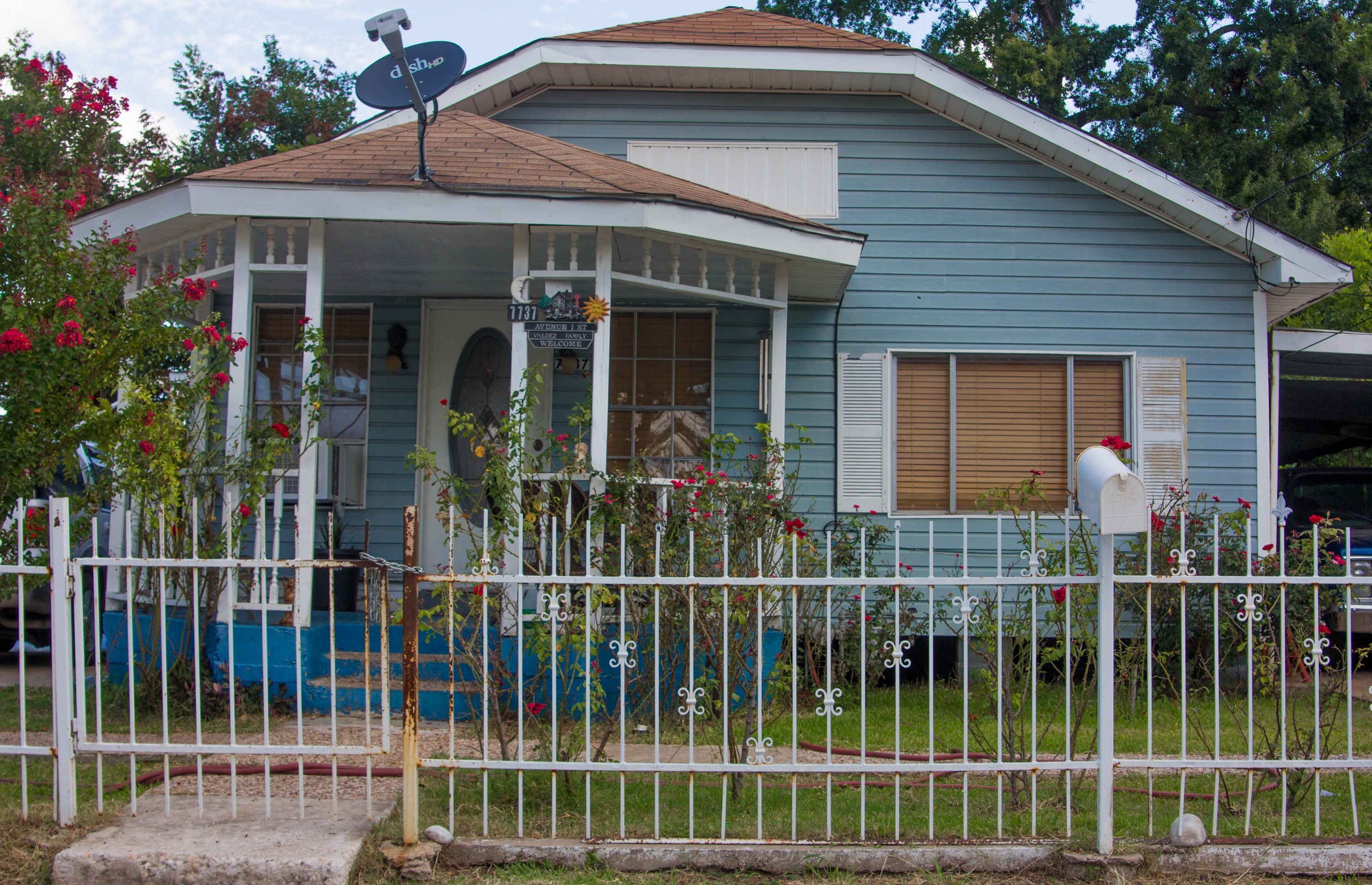


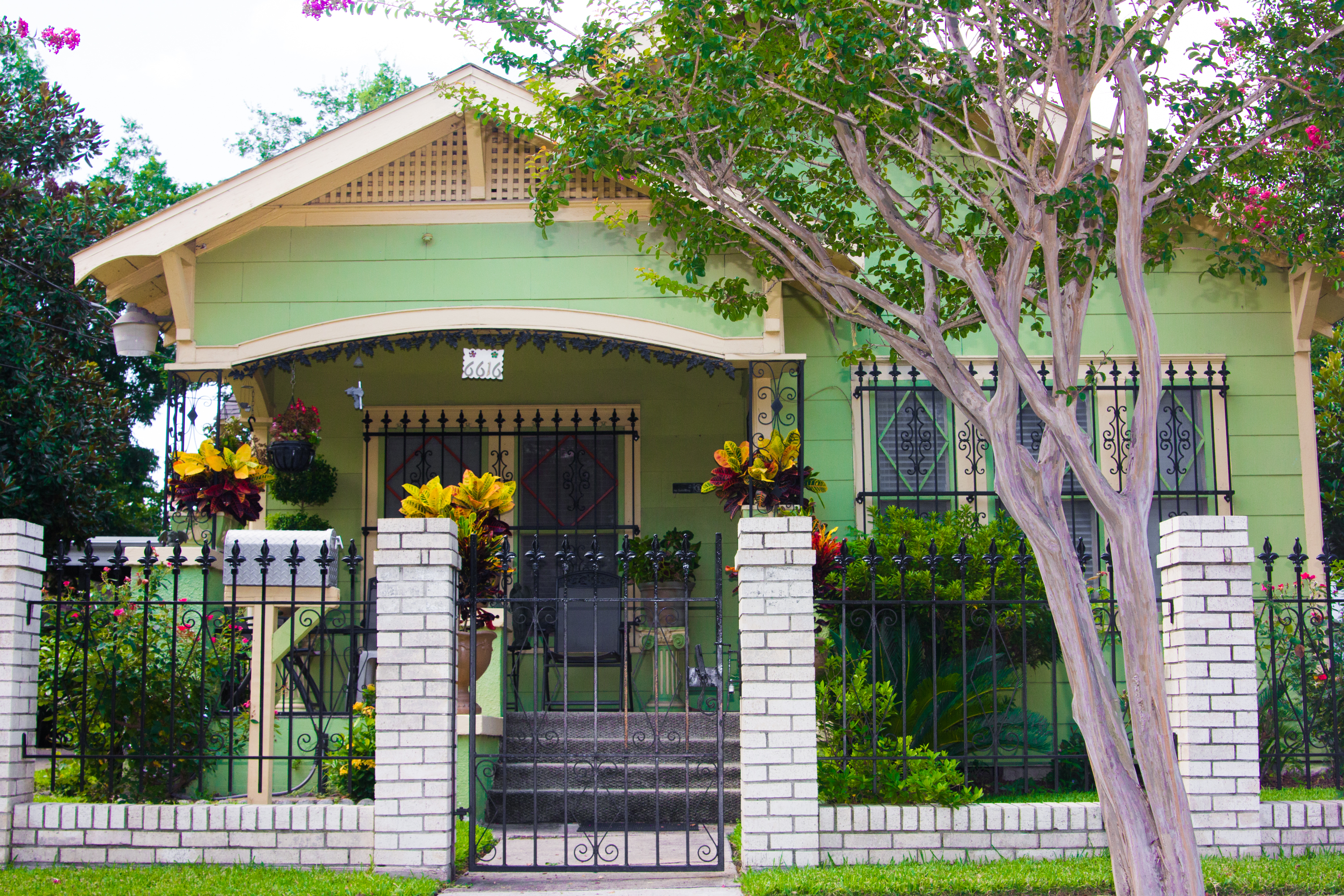
Cottages in Magnolia Park neighborhood. Photos by Neiman Catley.

Van Chatman. Photo by Lou Vest.
Van Chatman
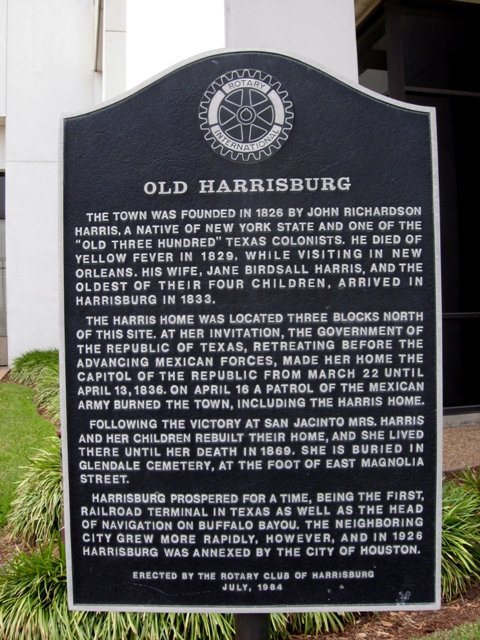
Historical marker for the once thriving and now disappeared town of Harrisburg, Texas. Public domain.
Buffeted by both positive and negative changes – such as desegregation, gentrification, suburbanization – some held on and others all but disappeared. Whatever their fortunes, these Port communities and neighborhoods have figured strongly in the words and the memories of its workers. They played storied roles in social advancement and labor relations, economic betterment and hardship. Magnolia Park is still an active repository of Mexican American community identity and life, while Denver Harbor, an early outpost of African American home ownership after the Second World War, is seldom recognized as such.
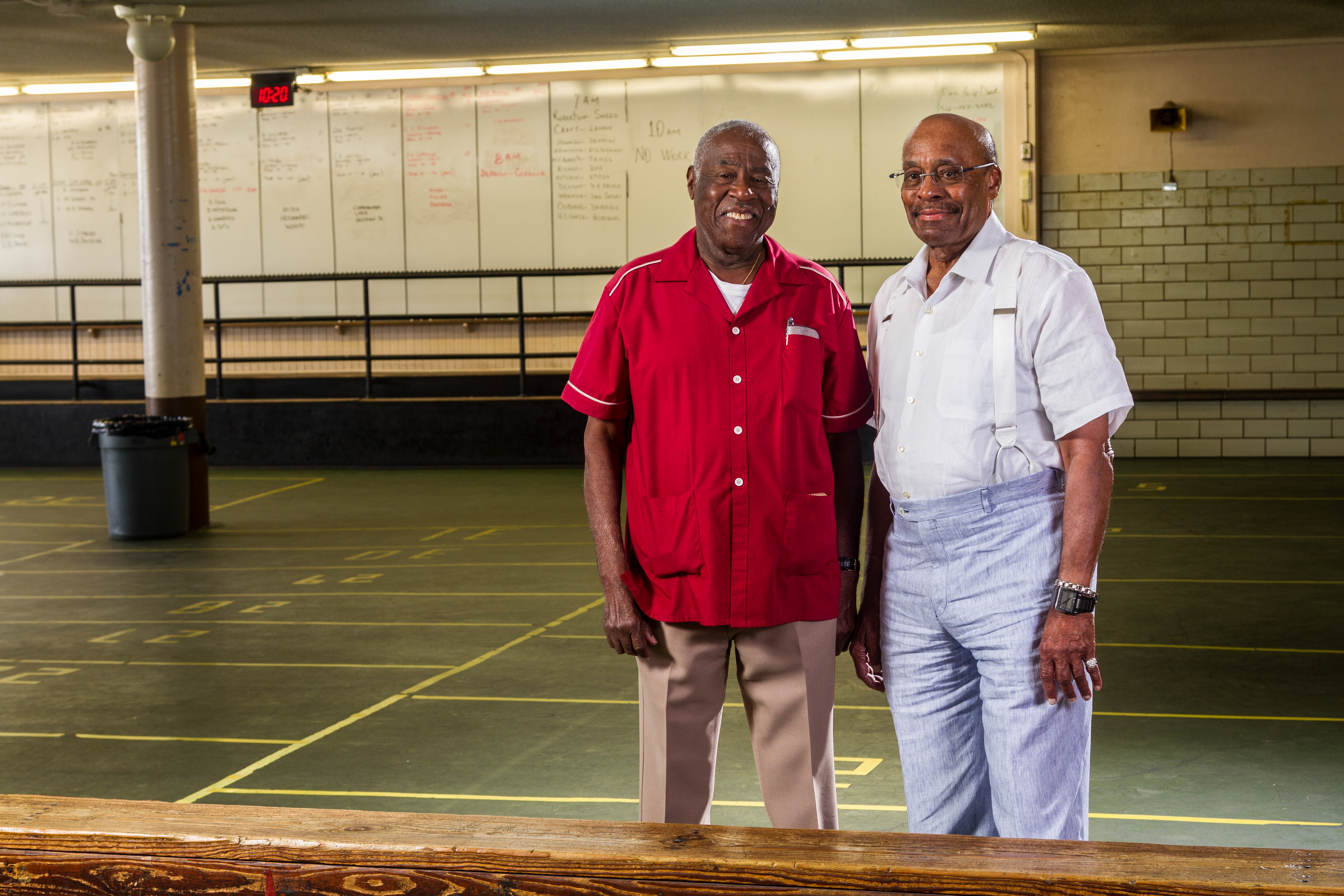
Joseph Kinch & Homer Guillory. Photo by Jack Potts.
Homer Guillory and Joseph Kinch