


At the Port of Houston and along the Houston Ship Channel, for all of their one hundred years, knowing how to get the job done—whatever the job—has always been the priority. Unloading cargo, captaining a tugboat, dredging the channel are all means to an end: the dispatch and delivery of goods. Over time, however, the knowledge and skills associated with the many jobs that make up a working port have been transformed.

After decades in which skill and success were measured by the depth of an individual’s local knowledge and practiced expertise, the introduction of automation, containerization and technology have drastically altered both the workplace and what a worker needs to know to accomplish that work.
While it is no longer as easy as it once was to acquire knowledge working side by side with family or friends at dockside or aboard a boat, the apprenticeship is still an important tool for learning. Even though such contemporary activities as utilizing technology or memorizing regulations may call for standard schooling, much knowledge is still acquired through practice, experience and informal, person-to-person mentoring and interaction.

Early mechanical winches made work on the docks somewhat less rigorous. Photo courtesy Houston Media Resource Center.

Containers reduced the amount of work available on docks and on shipboard. Photo by Lou Vest.
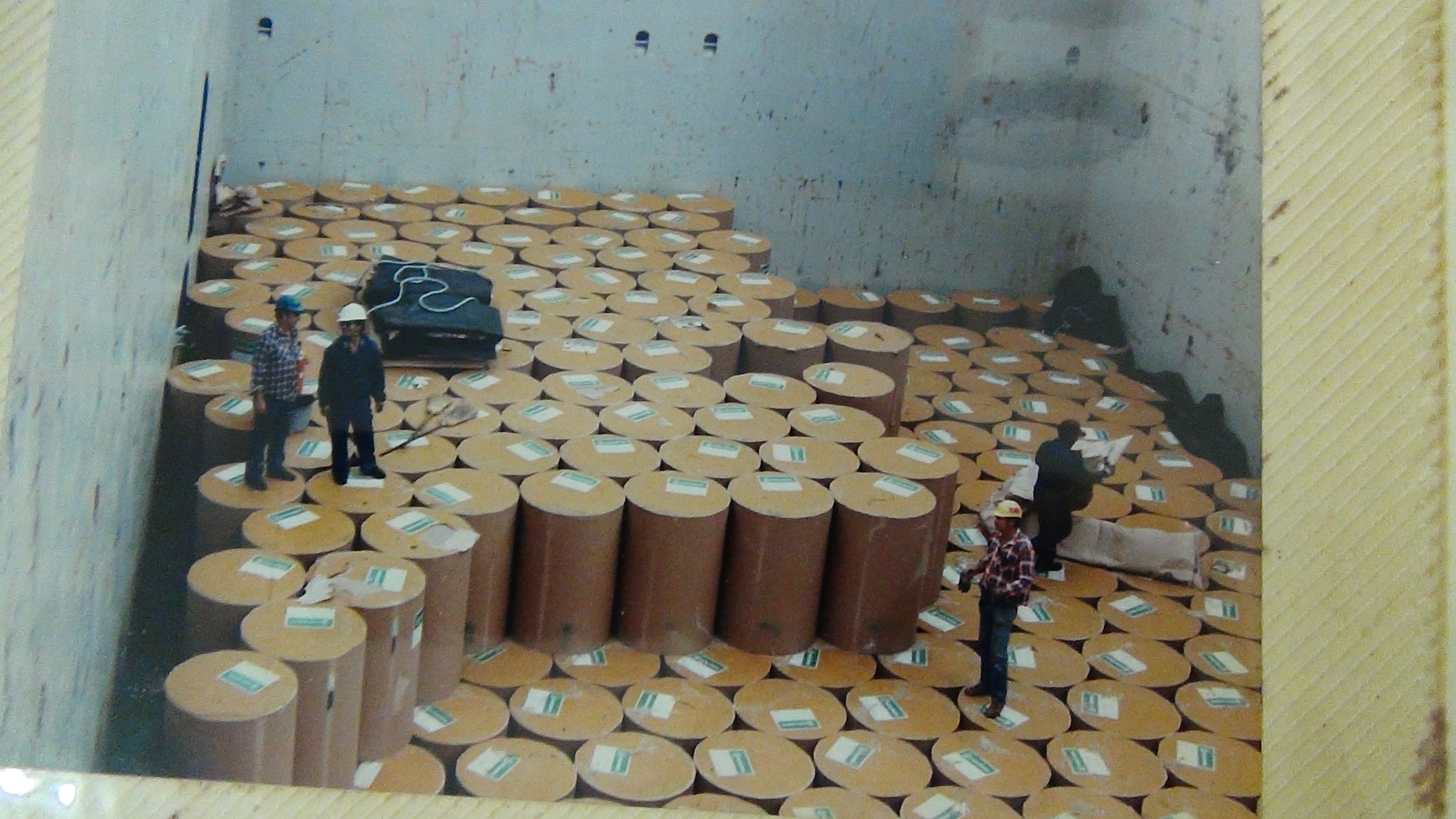
Piece work loading of a cargo ship. Photo courtesy Harvey Breed.

Port of Houston shipyard circa 1970s. Photo courtesy Harvey Breed.

Nowadays, most ships are entirely equipped with sophisticated technology. Photo by Lou Vest.
So, even in the face of change and modernization, the age-old traditional practices of peer-to-peer learning and the development of local knowledge remain as important today as the newer kinds of training that a worker acquires in a classroom or at a computer terminal.
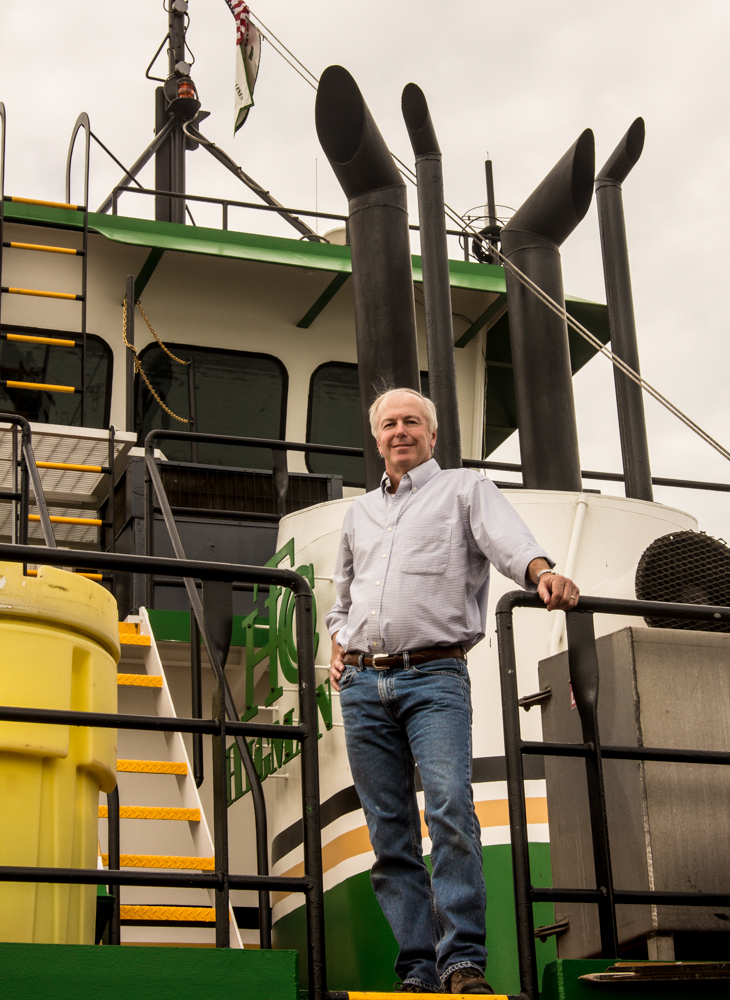
Captain Gordie Keenan. Photo by Lou Vest.

Gordie Keenan

Tom Lightsey. Photo by Lou Vest.
Tom Lightsey

Heavy lifting at the Port. Photo courtesy Texas Terminals.

Photo courtesy Texas Terminals.